

In a few months, my family will journey back to our passport country to reconnect with friends and family—a trip filled with excitement but also the challenges of readjustment, especially for our kids. With each visit, I’m reminded that transition doesn’t just happen when we hop on a plane. For children, who crave stability, each shift—even from one familiar place to another—can feel monumental. That’s why, beyond packing essentials and planning for smooth flights, I’m focusing on a powerful tool to help our kids process the emotions that come with change: the Transition Bridge. I’m excited today to share this tool with you!
Articles on The Prepared Expat may contain affiliate links that help support this site at no cost to you. The Prepared Expat articles do not constitute legal, medical, or financial advice and should not replace consultation with a qualified professional. See full disclosures & disclaimers.
What is the Transition Bridge?
The idea of the Transition Bridge is quite simple: if you want to go from point A to point B, you need to cross over a bridge. Point A is where you and/or your kids are at present, and point B is where you will go. Simple so far, right?

The uniqueness—and helpfulness—of the bridge is that it helps describe and demonstrate the stages of transition that someone goes through whenever they’re in transition.1
There are five stages of transition on the transition bridge:
1. Settled
This is your life right now. You and/or your kids are used to it and, even if there is a lot of change and difference, it’s “normal” to all involved. This is what seems natural and what you’re used to.
2. Unsettling
This is the process of beginning to transition, which starts far before you hop on an airplane. This stage starts when you’ve made the decision to live somewhere different and you begin to understand that life will be different in the future than it is from right now.
Selling off items, packing up belongings—even if it’s just a suitcase for a trip—is part of this unsettling process.
3. Chaos
This next stage of the process doesn’t have a clear start or end. It could start when your house is emptying itself of things as you prepare to move, it could start when you get on the plane, or it could even start when you arrive at your destination, and you or your kids realize how different things are.
The stage is called “chaos” because there are few to no points of stability. It feels like “everything” is different than normal. Sometimes this is because everything is new—new house, new bed, new food, new language—and sometimes it’s because the old familiar is gone—furniture sold, clothes packed up, etc.
Regardless of the reason, chaos is the stage when the old normal is gone, but a new normal hasn’t yet taken shape.
4. Re-settling
When you’ve arrived in your new destination and begun to re-establish a new life, you begin the process of re-settling into a new pattern of life that will become the new “normal” for you and your kids.
The re-settling process can’t begin before you get into whatever situation is your new home and life (e.g. the airplane has landed, the move is done, the new school has started, etc.), but just because you’re in the new situation doesn’t mean that re-settling has started. You, or your kids, can stay in “chaos” for quite a long time as, slowly, new habits get established, new friends are made, new restaurants become your staples, new foods become desirable, etc.
5. Re-settled
At some point, life in your new location becomes “new” and “normal” to you. You may still compare the new to the old, but increasingly your new life becomes the “standard” of normal to which you compare everything else.
This is the Transition Bridge: a road that gets you from point A to point B by going through different stages.
Each person’s bridge is unique
Every person who goes through transition will go across at different speeds for different reasons. When we first moved overseas, our apartment lease ran out in May but we didn’t leave to go overseas until the next January. Our unsettling process began with the move, but re-settling couldn’t start until months later as we lived with friends and family for a few months, getting everything ready to go.
As a result, when we landed in our host country, I was so ready to be out of chaos that I resettled quite quickly. Since I’d already lived in my host country before, it happened quickly for me—so quickly, in fact, that when I had to go on a trip a few weeks later, I realized I was already thinking of our current location as “home.” That is, I had moved from chaos to re-settled in about two weeks.
For my son, though, who had only ever known the US, he described that he was in “chaos” for a full year after we moved. Part of that is because of personality, part of that is because of life stage, part of that is because of experience, and part is the opportunities present in the new world. Someone who immediately starts working in the new world will transition differently than someone who is a homemaker. The point is that there is no “right” or “wrong” length of time to transition.
Each person transitions at different speeds.
Each person moves through the stages at different speeds and that’s ok. The goal isn’t to speed up the process, but to journey alongside each person as they find a new normal.
They will find a new normal. After a year, my son was resettled and now the idea of going back to the US for a visit starts the process of un-settling for him.
Why the Transition Bridge is helpful
There are a multitude of reasons why the bridge is so useful for expats, especially if you have kids. Here are just a few:
It helps you know what to expect
Having the right expectations is half the battle, if not more, because having the wrong expectations is a recipe for disaster. If you know that you’ll feel unsettled and then enter chaos, but that after those stages comes re-settling and a feeling of being resettled, then you can make it through.
A huge part of the challenge for children is that they rarely have life experience that tells them a new normal will come. All they feel is unsettled and chaos, with no hope on the horizon. As adults, we know that a new normal will come and so it’s easy to endure the chaos.
Kids are often clueless. The Transition Bridge for children helps them know what to expect and that there is light at the end of the tunnel.
It gives you common language
A challenge for children, especially younger children, is that they experience the stages of transition without being able to describe what they’re feeling. Feelings that can’t be expressed or that are unknown even to the children make the process of transition even scarier.
The Transition Bridge uses language that the kids understand and enables you to ask your kids where they are on the bridge. It also helps you to describe how you’re transitioning on the bridge and where you are.
Sometimes you’re faster than your kids—which gives them hope for the future—and sometimes you’re slower than them, which helps them realize that you, too, are going through the same process. Either way, the metaphor of the bridge gives you an easy way to talk about the process of your transition as a family.
It normalizes the transition process
Talking about the Transition Bridge with your kids not only helps them have the right expectations, but it helps them realize that the process is normal. They’re not feeling something new or unusual and there’s nothing wrong with them.
Kids know what a bridge is. They know that a bridge serves a purpose—to move from point A to point B—and they know that moving across a bridge is normal.2 Using that metaphor helps them realize that what they’re experiencing emotionally is normal and serves a purpose.
When to use the bridge
The best time to discuss the Transition Bridge is before you’ve told your kids that a transition will take place. The second best time is today. They need to know the stages that everyone goes through when a change is on the horizon, underway, or even in the rearview mirror!
Then, once the idea exists, talk about the Transition Bridge every time a transition happens, not just when you move from one country to another, but any time that you’re transitioning within that country.
Moving to a new state or province? Transition Bridge. New school? Transition Bridge. New city? New district? New house? Transition, transition, transition. Going back to your passport country for a visit? Transition Bridge again.
The bigger a change or the more permanent a change, the more important the Transition Bridge becomes. Kids usually don’t need it for when they’re going away on a day trip, because it’s not a big change and it’s not permanent—that’s typically within the realm of their “normal.”
But a two-month trip to their parents’ passport country? That’s a huge change, and even though it’s not permanent, two months can feel like a long time for a child. Pull out the Transition Bridge yet again.
How to use the Transition Bridge
How you use the bridge depends somewhat on who you’re talking to. If young kids, you’ll do it one way and if you’re working with coworkers or staff, you’ll handle it differently.
Regardless of age, you want to do a few things: (1) explain the concept, (2) identify where each person is in transition, and (3) talk about why. Here’s what this can look like with kids of different people and ages:
Young kids
Print out a coloring-book style bridge and have the kids color it in while you explain the idea of the bridge and the stages of the journey. Then print out a photo of each person in your family and have those people tape/stick their photo onto the bridge at whatever point on the bridge they think they are: settled, unsettled, in chaos, resettling, or re-settled. Ask your kids to say why they chose the stage they’re in—or why they didn’t choose the stage before or after that stage.
A great thing to add to this discussion is emotion faces (just search “emotion faces chart” and download an example you like). Ask your kids to identify which face matches their feelings at the present moment. Being able to express their feelings is a crucial part to emotional thriving while in transition.

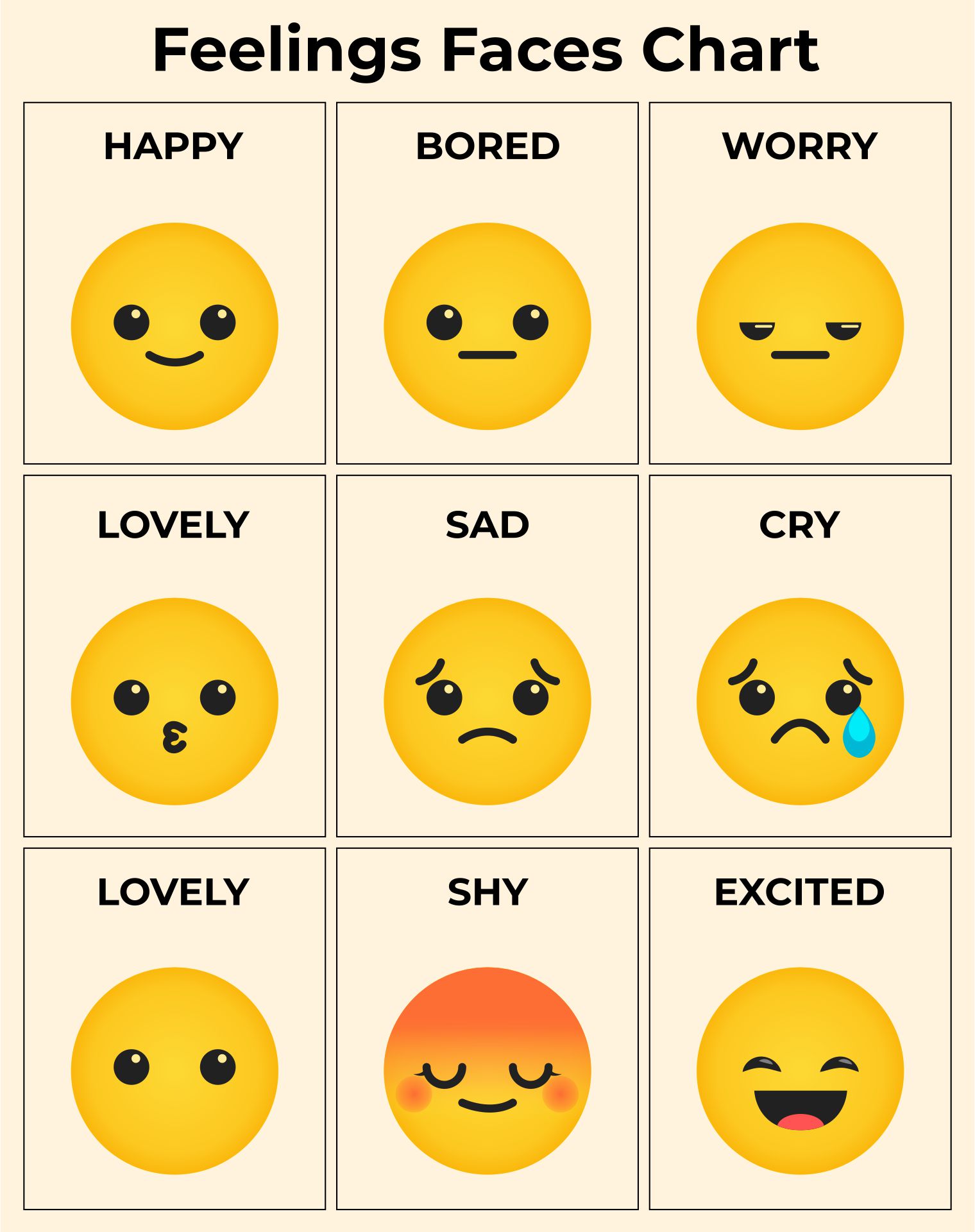
Stick the bridge on your refrigerator or another public space and periodically check in again with your kids. This could be every week or every month, but make talking about transition a regular thing you do with your kids. Each time, ask your kids to move their picture to the spot that matches how they’re feeling and ask them to identify their feelings from the emotion faces.
Emphasize that this transition is normal by ensuring that, when you talk about it, everyone in the family is part of the process. The Transition Bridge isn’t just for kids—you’re on the bridge, too, and you’re going through the stages along with the kids.
Older kids
For older kids, you don’t need the color pencils and crayons, but you still want to explain the concept of the transition. You probably don’t need a picture, though it may not hurt, but you should ask your kids where on the Transition Bridge they feel that they are. With older kids, you can ask more probing and deeper questions—when did this stage start for you? What’s been hardest in the phase? What parts of life seem unsettled/chaos/resettling? Are all parts of life in the same place on the bridge (e.g. their school may seem resettled, but their friendships are in chaos)? Etc.
For older kids, it’s also good to ask what they’re feeling at whatever stage of transition they are in. I find it incredibly useful to use an [emotion wheel] and ask older kids to identify a few feelings that they have at that time. Ask about their hopes for the next stage and ask if there’s anything you can do to help support them through the transition.

Make sure to bring up the conversation regularly until they feel fully “resettled.” And, when you do, make sure that you identify that you are in transition too—don’t just ask where they are in the process, share how you’re in transition too, what’s been hard, what’s been easier, etc. Normalize the process of transition, because it is normal.
With adults (yourself, spouse, coworkers, etc.)
This might sound funny, but even if you’re a single expat or married without kids, you’re also going through transition. You may not need to literally print out a bridge, but you should regularly talk about how the process of transition is going. Ask what stage people are in, ask them what has been hard, what’s been easy, what unexpected challenges have been, what delights there have been along the way, etc.
Pull out that emotion wheel, too, and ask people what they’re feeling, how you can support them in the transition, what they need from you, etc.
Don’t assume others are transitioning at the same speed as you.
If you’re married, don’t assume that just because you’re transitioning at a certain speed, your spouse is at the same place! Oftentimes what is easy for one spouse is difficult for the other! This is especially the case if one is working while one stays at home, or if one spouse is from the host culture and the other isn’t. So, intentionally talk about where you are in the transition process.
If you’re by yourself, then write things down in a journal or talk with a mentor. Don’t ignore the fact that you are going through a transition and need to process these things as well.
Conclusion
The Transition Bridge offers a framework that not only prepares expats for change but also gives you common language to use with your family at each stage of transition. When transitions occur—whether a short visit or a permanent move—kids and adults alike can find comfort in knowing that what they’re experiencing is normal. Instead of a time of only stress, the conversations you have together about the Transition Bridge can draw you closer together. Even as everything around you changes, family and your love for one another doesn’t.
If you appreciate this article, make sure to check out another I wrote about creating stability for your kids as they go through transition: From Chaos to Calm: Crafting Stability for Expat Kids.
Get free tools and a chapter of my book!
Subscribe to my email newsletter and I’ll pass along a myriad of expat tools, a free chapter of my book, and let you know whenever I publish something new on The Prepared Expat! It’s not lame, 100% spam free, and actually helpful if I do say so myself.
Follow The Prepared Expat!
Footnotes
- I didn’t invent the idea of the Transition Bridge, but I can’t recall where I first learned of it. If you know, please let me know so I can give proper credit. ↩︎
- If, for some reason, you live in a place where bridges are uncommon or unknown, then shift the metaphor to something the kids will understand: walking across a street, riding a ferry, taking the subway, etc. Just make sure it includes the idea of purposeful movement and can be adapted into five stages in the process. ↩︎